Demand Forecasting Agent
dasdsaPredict demand across SKUs, regions, and seasons with an intelligent forecasting agent trained on real-time and historical data.
Key Value Props:
- Improve forecast accuracy
- Align supply, inventory, and finance
- Reduce stockouts and overstock
Why This Agent Matters
Problem
- Spreadsheet-based forecasts are static
- Planning is disconnected across teams
- Market volatility breaks static models
Impact
- Missed demand spikes, excess inventory
- Inventory misalignment, poor cash flow
- Revenue loss, planning chaos
How the Agent Helps
- AI demand forecasting adapts in real time
- Creates a single source of truth for predictive demand planning
- Uses machine learning for demand forecasting trained on multi-source data
What the Agent Does
- Ingests sales history, seasonality, promotions, and market trends
- Builds product-, category-, and region-level forecasts
- Re-trains models as new data becomes available
- Pushes forecasts into ERP, inventory, and procurement systems
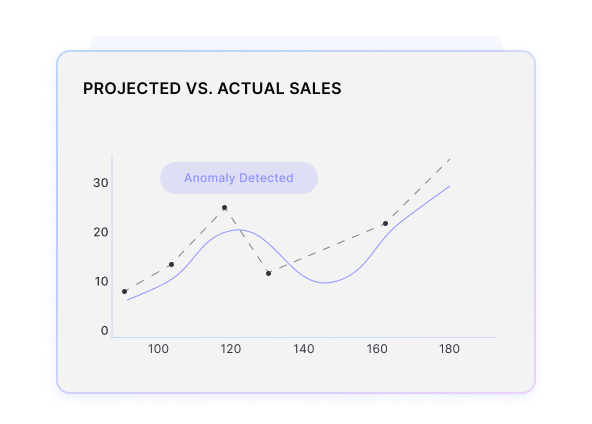
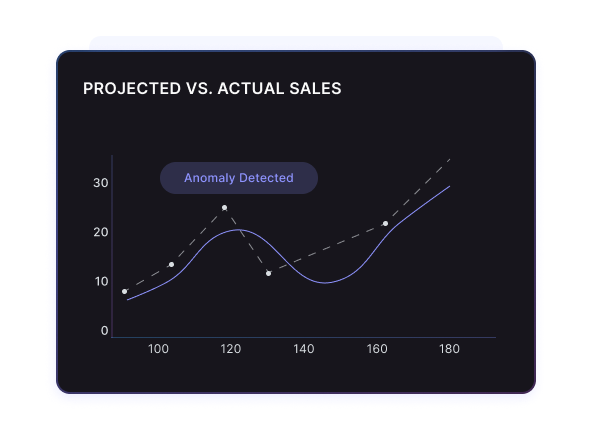
- Flag anomalies and confidence intervals
Example Workflow
Input:
SKU-level sales, channel mix, promo calendar
Agent Action:
Trains model on historical demand and external factors
Agent Action:
Generates a 90-day forecast with confidence bands
Output:
Pushes forecasts to ERP
Output:
Flag low-confidence SKUs for planner review
Systems and Standards Supported
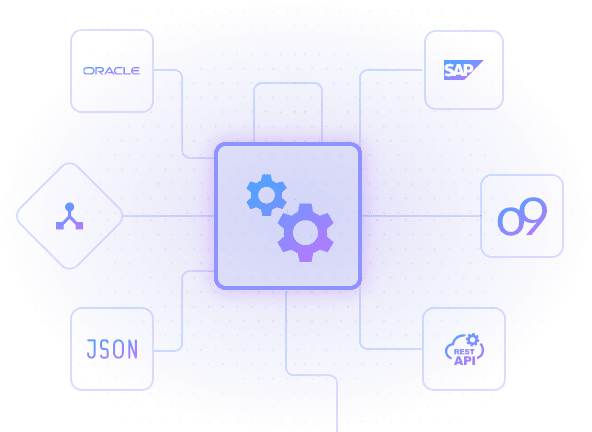
- Planning Tools: SAP IBP, Oracle Demand Planning, o9
- Data Sources: POS, CRM, marketing calendars, weather APIs
- APIs: REST, JSON, SFTP
- Security: Data segmentation, compliance with GDPR, and enterprise standards
Deployment Options
- Forecasting dashboard for demand planners
- Embedded forecasting agent in ERP or supply chain system
- API for live data exchange with warehouse and inventory platforms


Benefits & Measurable Outcomes
↑ Forecast accuracy by 25–40%
↓ Safety stock without increasing risk
↓ Inventory holding cost
↑ Planner productivity and decision speed
Engagement Model
Step 1: Connect historical sales and external demand drivers
Step 2: Co-define target forecast horizons and categories
Step 3: Deploy forecasting agent with confidence scoring
Step 4: Integrate with procurement and production systems


Forecast smarter, not harder — with AI-powered demand intelligence.
Copyright 2026. All rights reserved.